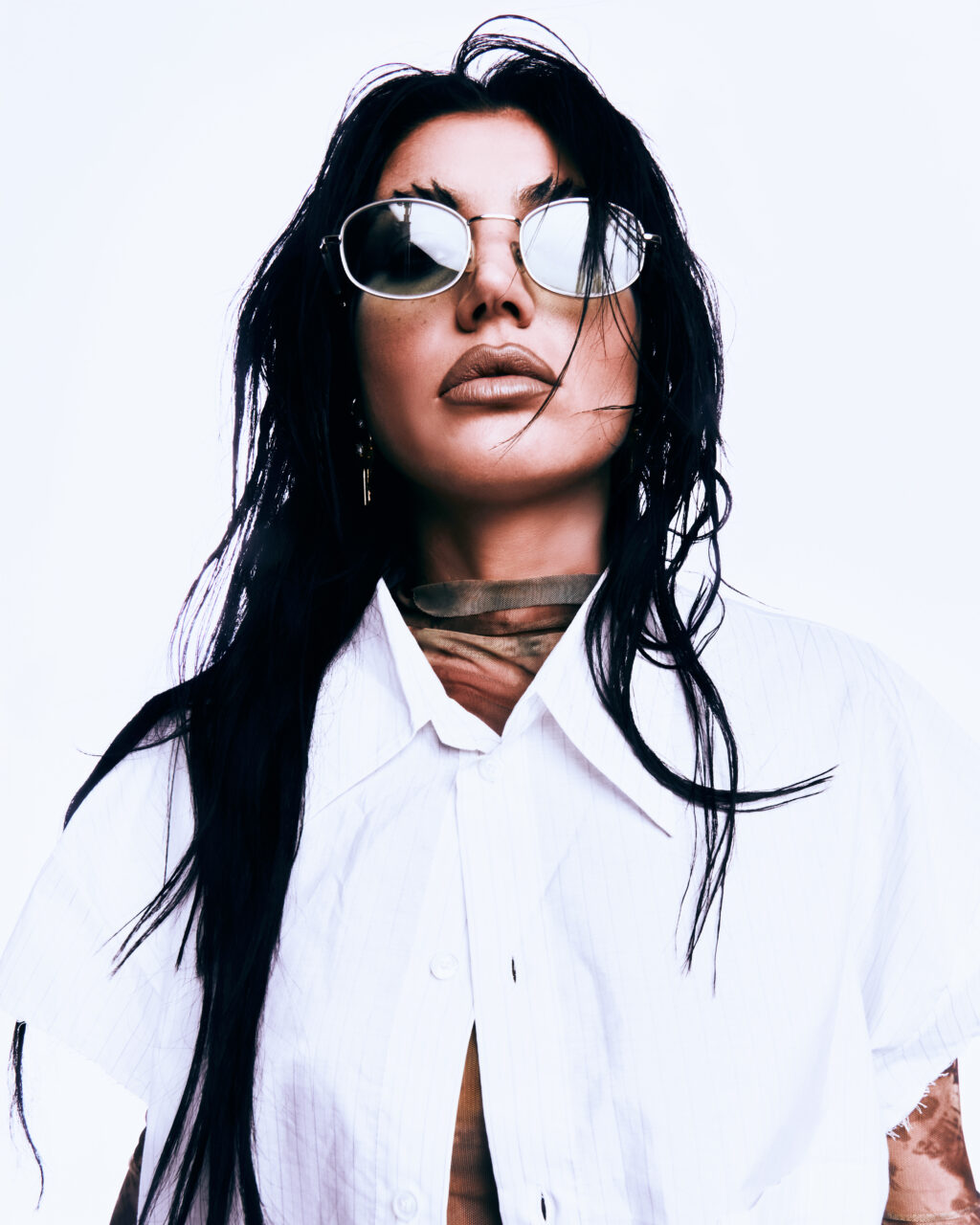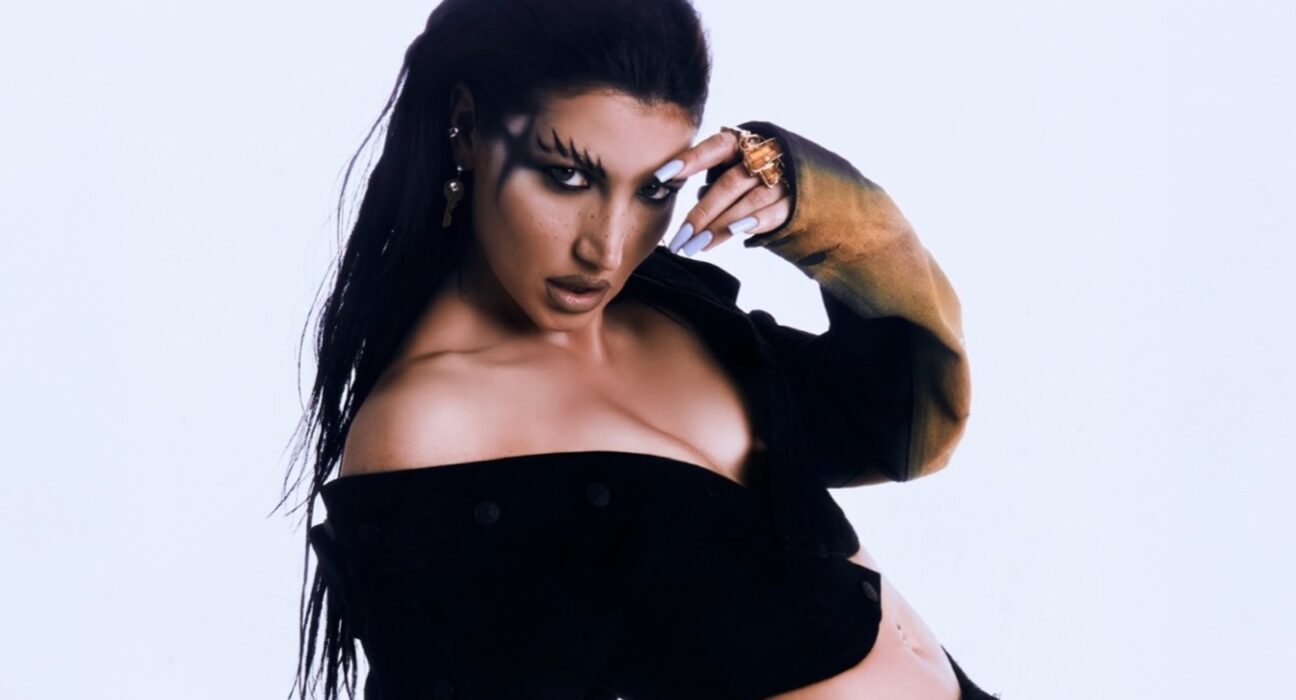
With “Bad Things”, the artist Novul steps fully into the fire—no apologies, no polish, no safety net. Born from a moment of brutal self-honesty, the track confronts the uncomfortable reality of knowingly choosing chaos: letting toxic thoughts, patterns and impulses linger, even when you know better. Rather than smoothing the edges, “Bad Things” thrives on tension, urgency, and unease, capturing the breathless spiral between awareness and impulse.
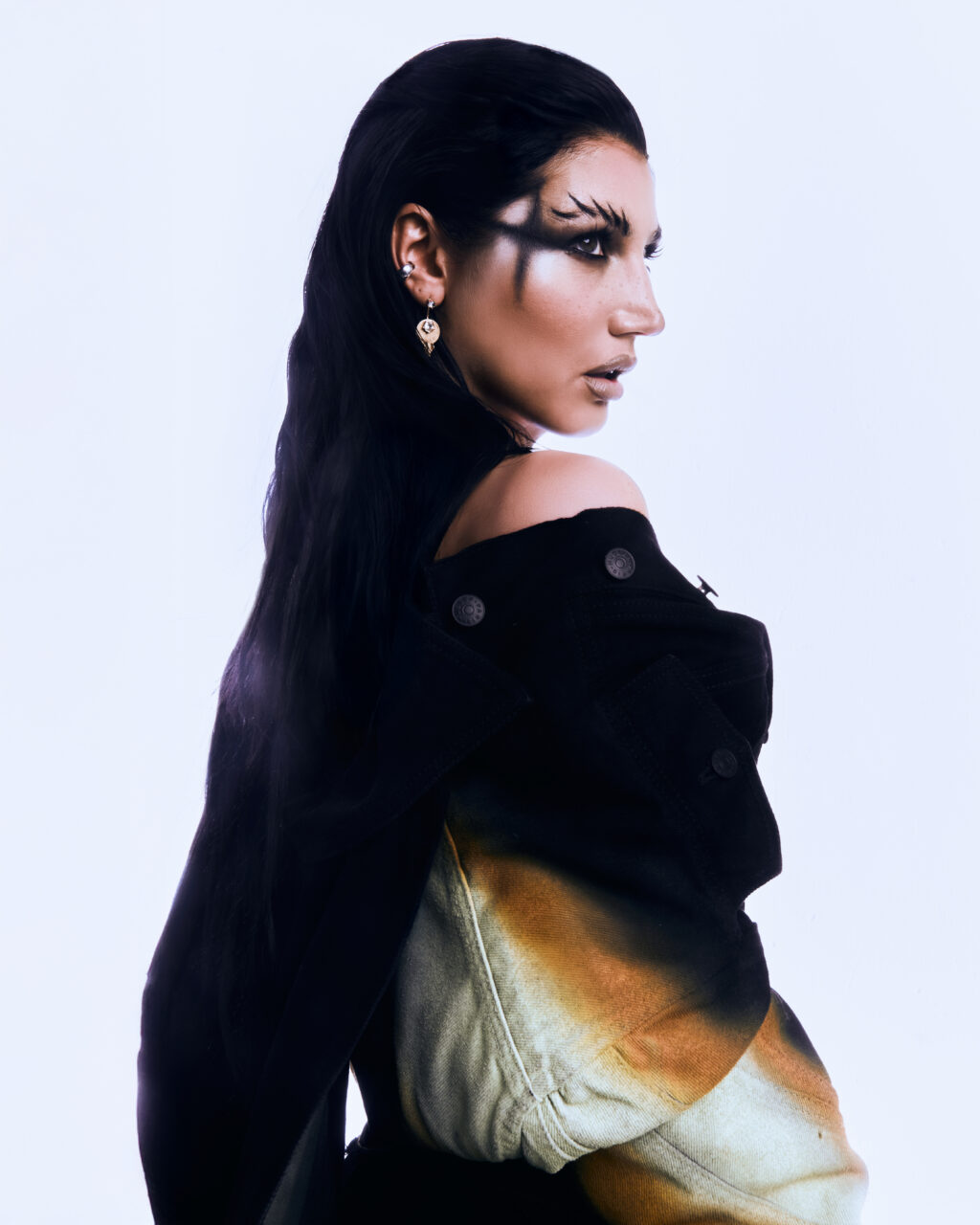
INTERVIEW >>>
Hello, Novul. “Bad Things” leans into the idea of choosing chaos even when we know better. What was the moment of self-honesty that sparked this song, and why did you feel now was the right time to release it?
“Bad Things” came from a moment of brutal self-honesty — realizing I wasn’t confused, I was choosing the chaos. I knew better, but I was still letting certain thoughts, patterns and people have access to me. I released it now because I’m done pretending that growth is clean or pretty. The song lives in that tension between awareness and impulse — knowing the truth, but still wrestling with it. That felt honest, and honesty felt more important than being polished
The production is intentionally breathless and urgent, almost uncomfortable at times. How did you decide to lean into that chaos sonically rather than polish it into something safer?
I didn’t want the song to feel safe, because the feeling it’s describing isn’t safe. The breathless, almost overwhelming production mirrors what it sounds like in my head when my thoughts start spiraling. Polishing it would’ve softened the truth. I’m really intentional about letting discomfort live in the music — the chaos is part of the story. When something feels slightly unhinged or urgent, that’s usually where it’s most honest.
The line “When the toxic talks to me” feels especially raw and intimate. Was that lyric drawn from an internal dialogue you were having, and how do you hope listeners relate to it?
That line is 100% internal. “When the toxic talks to me” is about that voice in your head you recognize as unhealthy, but still listen to anyway. It’s not always another person — sometimes it’s your own thoughts replaying old patterns, fears, or impulses. I hope listeners hear it and feel seen, not judged. Most of us know what that voice sounds like, especially in moments of vulnerability. The song isn’t about fixing it — it’s about naming it. There’s power in that.
You’ve described your music as “controlled chaos.” How does “Bad Things” represent an evolution of that concept compared to your earlier releases?
I’ve always lived in chaos creatively, but earlier on I was reacting to it. With “Bad Things,” the chaos is intentional. It’s designed, directed and self-aware. That’s where the control comes in.
Originally, this song started as a slower, more guitar-driven idea. What changed creatively when you allowed it to spiral into its final, more confrontational form?
This song represents me trusting my instincts more — letting things feel intense without over-explaining or cleaning them up for comfort. It’s less about proving something and more about standing in it. That shift feels like real evolution to me. The guitar was always meant to feel like the beginning of a thought — almost calm, but not settled. I realized pretty quickly that I didn’t want to sit there for too long. I wanted the song to spiral faster and grab you immediately, the way a thought does when it starts to take over.
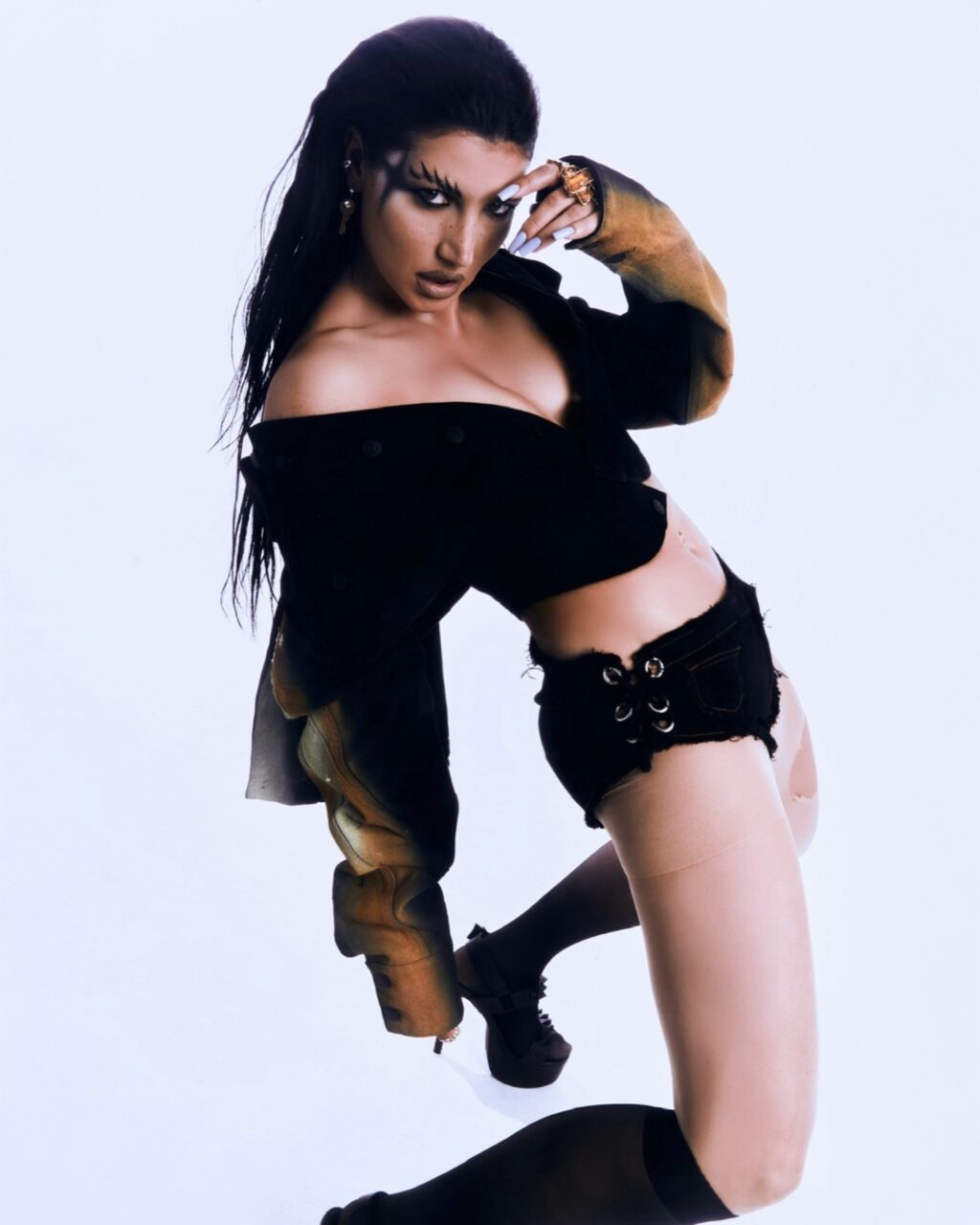
Visually, the imagery surrounding this release is striking and cinematic. How important is the visual world to your storytelling, and what do you want audiences to feel when they watch the video?
Letting it escalate early made the experience more confrontational and immersive. Instead of easing people in, it pulls them straight into the mental space the song lives in — restless, urgent, and unresolved.
The visual world is just as important to me as the music — it’s all part of the same story. Shooting the video in my hometown of Saskatchewan made it feel grounded and visceral. It was minus 20 degrees, I was racing through the snow on snowmobiles with my brother and his friends, and it genuinely felt a little dangerous — which matched the energy of the song.
It was a family affair in the best way, bringing my vision to life in an environment that shaped me. The fire was intentional too — it represents that toxic intensity, the chaos you know you shouldn’t touch but still do. I want people to feel thrown into it when they watch: cold, heat, speed, and emotion all colliding at once.
You’ve built momentum through strong editorial support and live performance experience. How has touring and performing shaped the confidence and fearlessness we hear on this track?
Performing live has stripped away a lot of fear for me. When you’re on stage, there’s no room to overthink — you either commit or you disappear. That’s shaped how I approach recording now. Touring taught me to trust intensity and presence. “Bad Things” carries that energy — it’s bold, confrontational and fully committed, the same way I have to be every time I step on stage. That confidence didn’t come from playing it safe; it came from showing up over and over and owning the moment.
“Bad Things” feels like a statement piece kicking off a new chapter. What does this song set up emotionally or creatively for what’s coming next in 2026
“Bad Things” sets the tone emotionally. It’s about honesty, tension and not diluting intensity for comfort. Creatively, it opens the door to a more fearless chapter, where I trust my instincts and let things feel sharp, cinematic and a little dangerous. What’s coming next in 2026 builds on that energy. It’s bolder, more intentional and more self-directed. I’m less interested in explaining myself and more interested in creating worlds people can step into and feel something immediately.